Bulk Waste Disposal: Save Cash With Smart Solutions
Introduction to Bulk Waste Disposal
We all know that managing bulk waste disposal is no simple task--whether you're a homeowner, business owner, or part of a local municipality. Old furniture, appliances, construction debris, and yard waste can quickly add up, leading to expensive removal bills and environmental concerns. The good news? There are innovative, cost-effective solutions to handle bulk rubbish removal, construction debris, and large-scale junk collection. In this comprehensive article, we'll unpack the smartest ways to manage bulk waste disposal, save money, reduce environmental impact, and streamline your waste management process.
What is Bulk Waste and Why is Proper Disposal Important?
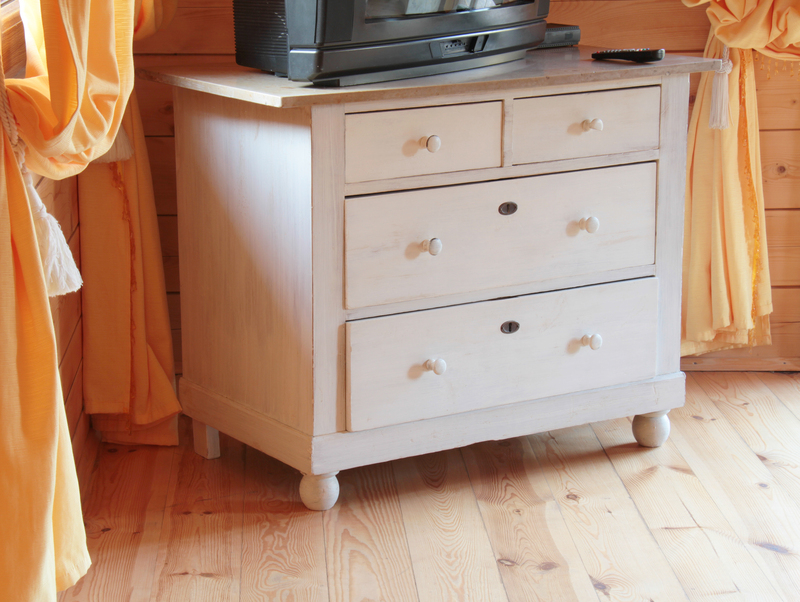
Bulk waste, also known as "bulky items" or "large trash," typically refers to items that are too big or heavy for regular curbside collection. These can include:
- Old sofas, beds, and other furniture
- Appliances like refrigerators, washing machines, and dishwashers
- Mattresses, box springs, and bed frames
- Construction and renovation debris
- Electronic waste (e-waste) like televisions and computers
- Yard waste such as tree branches, stumps, and bagged leaves
Properly handling and disposing of bulk trash isn't just about aesthetics. Bulk waste disposal is crucial for:
- Preventing illegal dumping, which can lead to fines and environmental hazards
- Keeping neighborhoods clean and safe
- Ensuring recyclable and reusable materials don't end up in landfills
- Reducing municipal waste management costs
The True Costs of Bulk Waste Disposal
When home or business owners are faced with removing bulky items, the initial impulse is often to hire a junk removal service or call the city for a special pick-up. However, these services can become unexpectedly expensive, especially if you have ongoing waste removal needs or large volumes of debris to clear.
Average costs for one-time bulk waste pick-ups can range from $50 to several hundred dollars, depending on the volume, weight, and type of items. For businesses managing construction or industrial waste, costs can soar even higher. Beyond the dollar amount, consider the time lost coordinating pickups and the environmental toll of improper disposal.
Smart, Budget-Friendly Bulk Waste Solutions
Let's explore powerful methods to minimize your bulk waste disposal costs, while still acting responsibly for the planet.
1. Prioritize Reuse and Donation
One person's trash is another's treasure! The fastest way to cut costs on bulk waste disposal is to avoid disposal altogether. Before sending items to the landfill, consider:
- Furniture banks and charities: Many organizations accept gently used sofas, tables, beds, and appliances. Charities like Habitat for Humanity, Goodwill, and The Salvation Army often offer free or low-cost pick-up.
- Community exchanges: Leverage sites like Craigslist, Facebook Marketplace, or Freecycle. Giving away items locally means less time, fuel, and effort spent on hauling.
- Repair and upcycling: A simple fix or creative makeover can give old items new life. Even damaged furniture can become art or be repurposed for practical use.
*Not only does reuse save disposal fees, but it supports local families and reduces waste in landfills!
2. Dismantle Before Disposing
Large pieces take up valuable space, leading to higher disposal costs if you're renting a dumpster or paying by the cubic yard. Whenever possible, disassemble bulk items before disposal.
- Remove legs, shelves, and doors from furniture
- Break down cardboard or wood to flat pieces
- Separate metal, wood, and fabric for easier recycling
Pro tip: Many recycling centers and scrap yards will even pay for sorted materials, helping you recoup some costs.
3. Schedule Community or Building-Wide Pickups
If you live in a residential complex or manage a business park, organize group bulk waste collection events. Many municipalities offer discounted rates for bulk pickups requested by homeowner's associations or multi-unit buildings.
- Share dumpster rentals or junk removal costs with neighbors
- Coordinate large-scale "clean out" days for the best rates
- Benefit from volume pricing and reduced transportation fees
4. DIY Hauling vs. Professional Services
Decide whether you're willing to transport large items yourself or if a professional junk removal company is necessary. If you have access to a suitable vehicle (like a pickup truck), DIY hauling to a local landfill or recycling facility can save you substantial money.
- Be sure to factor in fuel, landfill fees, and your time
- Call ahead to confirm what items are accepted and at what cost
- Always secure loads properly to avoid fines or accidents
Professional services are faster and less strenuous but can cost several times more than DIY solutions--especially for repeat needs.
5. Rent the Right Size Dumpster
For major cleanouts, construction projects, or business renovations, a roll-off dumpster rental is often the most efficient and cost-effective solution for bulk debris removal.
- Choose the smallest dumpster size that fits your needs to avoid paying for unused space
- Compare rates from multiple providers
- Ask about "weight limits" or extra charges for specific items like mattresses or appliances
- Fill the dumpster strategically--break down items to maximize capacity
6. Separate Recyclables and Hazardous Waste
Disposing of certain items--like refrigerators, TVs, paint, or tires--may involve surcharges and legal restrictions. Always sort hazardous or electronic waste separately and contact your local recycling agency for details.
Many municipalities host free e-waste collection days or hazardous material drop-offs. Taking advantage of these can significantly reduce both your cost and environmental impact.
Bulk Waste Disposal Services: What Are Your Options?
Today's eco-conscious consumers and businesses have several bulk trash removal services to choose from:
A. Municipal Bulk Pick-Up
- Usually offered monthly, quarterly, or by special request
- May be limited in volume or item type (e.g., no construction waste)
- Costs are often included with property taxes, or come at a modest fee
Tip: Check local schedules and rules to avoid fines for early set-outs or unaccepted items!
B. Private Junk Removal and Hauling Companies
- Offer flexible scheduling and full-service labor, including item removal from inside your property
- Typically charge by volume, labor time, or specific items
- May offer recycling or donation options for usable goods
- Some specialize in commercial or construction bulk waste removal
While convenient, these services often charge a premium for convenience and labor.
C. Dumpster Rentals
- Great for renovations, move-outs, and large-scale cleanouts
- Allows you to load waste over several days at your own pace
- Providers handle drop-off, pick-up, and landfill disposal
Remember to check what materials are accepted. Certain hazardous items may carry added fees.
D. Drop-Off Facilities and Transfer Stations
Many cities operate local drop-off centers. You deliver bulk waste or recyclables directly and are charged by weight or item type. This is often the cheapest option for DIYers, especially if you have access to a suitable vehicle.
How to Save Money and the Environment
- Plan ahead: Consolidate projects and waste to minimize trips and maximize efficiency
- Sort materials: Separate recyclables, donations, yard waste, and true landfill trash--many cities offer free or discounted disposal for recyclables
- Be aware of local laws: Some areas fine residents or businesses for prohibited items or incorrect set-outs
- Partner with neighbors: Group cleanouts and shared dumpsters multiply cost and carbon savings
- Sell or repurpose items: Offset disposal costs by selling desirable materials or upcycling furniture and scraps
Incorporating these strategies makes your bulk waste removal process more sustainable and affordable.
Technology and the Future of Bulk Waste Disposal
Modern technology is revolutionizing how we handle bulk waste:
- Junk removal apps--On-demand platforms like LoadUp and 1-800-GOT-JUNK make scheduling, payment, and tracking easy and transparent
- Waste management software--Businesses use smart routing and analytics to optimize pick-ups, increase recycling rates, and reduce costs
- Smart dumpsters--Sensors track fill levels, sending alerts when it's time for collection, minimizing service calls and fuel use
- Online donation tools--Streamline connecting unwanted items with those who need them, keeping valuable goods out of landfills
Bulk Waste FAQs
- Can I leave bulky waste at the curb?
Only if your city or HOA allows it--check local regulations and pickup schedules first. - Are there restrictions on what counts as bulk waste?
Yes--hazardous materials, electronics, and construction debris may have different rules or fees. - Will junk removal services donate or recycle usable items?
Many do! Ask ahead and choose companies with eco-friendly practices. - How can businesses save on bulk waste disposal?
Negotiate contracts, separate recyclables, and consider shared industry solutions for volume pricing.

Conclusion: Take Charge of Your Bulk Waste the Smart Way
With thoughtful planning, bulk waste disposal doesn't need to drain your wallet or damage the environment. By prioritizing reuse, leveraging community solutions, separating recyclable materials, and choosing the right disposal service, homeowners and businesses alike can save money and reduce their ecological footprint.
Adopt these smart solutions for your next big cleanout, renovation, or commercial project. You'll discover that responsible bulk waste management is both affordable and achievable. Ready to save cash and make a difference? Start now!
Bulk Waste Disposal Resources
- US EPA - Reduce, Reuse, Recycle
- Habitat for Humanity Donation Guidelines
- Earth911 Recycling Directory
- 1-800-GOT-JUNK
By following these strategies and utilizing reputable resources, managing your bulk waste disposal can become a cost-saving, eco-friendly process for every project.
