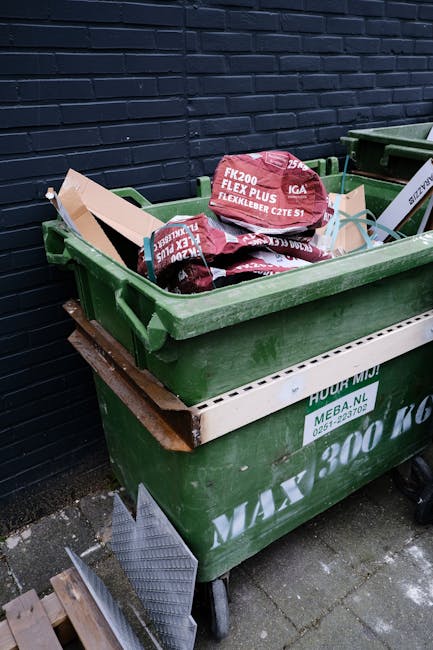
Three Mills Island trade rubbish solutions for local businesses
If you run a business near Three Mills Island, rubbish has a habit of becoming urgent at the worst possible moment. One busy delivery day, a refit in progress, a stockroom full of broken packaging, or a back office that's suddenly bursting with old furniture - and just like that, disposal stops being a side task and becomes the thing slowing everything else down. This guide to Three Mills Island trade rubbish solutions for local businesses explains what works, what to avoid, and how to keep waste moving without turning your workplace into a bottleneck.
Whether you manage a cafe, workshop, office, retail unit, or a mixed-use site, the goal is the same: remove waste quickly, stay organised, and avoid unnecessary disruption. You will also find practical advice on compliance, recycling, collection methods, and the small details that often make the biggest difference. Nothing fancy. Just the stuff that actually helps.
Table of Contents
- Why Three Mills Island trade rubbish solutions for local businesses Matters
- How Three Mills Island trade rubbish solutions for local businesses Works
- Key Benefits and Practical Advantages
- Who This Is For and When It Makes Sense
- Step-by-Step Guidance
- Expert Tips for Better Results
- Common Mistakes to Avoid
- Tools, Resources and Recommendations
- Law, Compliance, Standards, or Best Practice
- Options, Methods, or Comparison Table
- Case Study or Real-World Example
- Practical Checklist
- Conclusion
- Frequently Asked Questions
Why Three Mills Island trade rubbish solutions for local businesses Matters
Trade waste isn't just "stuff to get rid of". It affects how safely your team works, how presentable your site looks, how smoothly deliveries happen, and how much time you spend dealing with avoidable mess. Around Three Mills Island, where access, space, and timing can all matter, waste needs to be handled with a bit of planning rather than last-minute improvisation.
The problem is usually not the waste itself. It's the accumulation. Cardboard stacking up behind the till. Broken chairs in a corner of the office. Renovation rubble left near a fire exit. A fridge sitting there for "just one more day" because nobody booked a collection. Let's face it, one overlooked pile becomes three, then suddenly everyone is stepping around it.
For local businesses, trade rubbish solutions need to do a few things well: remove waste promptly, keep the site tidy, support recycling where possible, and fit around operational hours. That might sound basic, but in practice it saves time, reduces stress, and helps you avoid the kind of messy build-up that can put staff and visitors off.
There's also a reputation angle. Customers notice. So do suppliers. A neat back-of-house area says more about a business than people think.
How Three Mills Island trade rubbish solutions for local businesses Works
The process is usually straightforward, but the best results come from treating it as a small workflow rather than a one-off pickup. For most businesses, trade waste removal follows the same rhythm: identify the waste, sort it, book the right collection, and make sure the load is ready when the vehicle arrives.
In practical terms, a good solution may involve one-off clearances, regular collections, or mixed-site support for businesses that generate different waste streams. An office may need confidential paper removal and old furniture clearance. A shop may need packaging waste taken away after a stock refresh. A building project may need rubble, timber, and other construction debris removed in stages. Different jobs, same principle: keep the waste moving.
If your waste includes specialist items, the handling changes. For example, electricals, fridges, certain appliances, or anything classed as hazardous may need separate treatment. That is where a service such as business waste removal becomes especially useful, because it can be arranged around the type of material rather than forcing everything into one vague bin-and-hope approach.
Collections also need to fit the site. Narrow access, loading restrictions, shared entrances, or upper-floor units all affect how a job is done. Around busy London locations, timing matters as much as volume. A decent provider will ask the right questions before turning up, which sounds small, but saves everyone a headache.
Key Benefits and Practical Advantages
There are several reasons local businesses move away from ad hoc dumping and towards a proper waste removal plan. Some are obvious, some less so.
- Cleaner working areas: fewer trip hazards, fewer blocked walkways, and less clutter around stock or equipment.
- Better time management: staff do their jobs instead of trying to work around waste piles.
- Improved presentation: customers and visitors see a business that looks looked after.
- More suitable handling of mixed waste: useful when you have cardboard, furniture, appliances, or renovation debris all at once.
- Potential recycling gains: separating reusable or recyclable materials helps reduce what ends up as general rubbish.
- Less disruption: collections can often be timed around opening hours or quieter periods.
One often overlooked benefit is mental space. A messy site creates a low-level friction that people get used to, but shouldn't have to. Once it's gone, you feel it immediately. The room sounds different, oddly enough. Less rattly. Less tense.
If your business also needs clearance support for old fixtures or bulky items, it can help to look at related services such as office clearance, builders waste clearance, or general waste removal depending on what's actually sitting on site.
Who This Is For and When It Makes Sense
This sort of solution suits any local business that produces waste faster than it can comfortably manage in-house. That includes small teams, growing businesses, and sites where storage is already tight.
It is especially relevant if you're dealing with:
- retail packaging and display material
- office refurbishments or end-of-lease clear-outs
- kitchen or hospitality equipment replacements
- bulky furniture that staff can't safely move themselves
- construction, fit-out, or maintenance waste
- mixed rubbish that does not fit neatly into standard bins
It also makes sense if your internal waste routine has started to wobble. Maybe the bins are always overflowing by Thursday. Maybe the yard is full because collections are too infrequent. Maybe the team keep saying, "We'll sort it next week," which, to be fair, is how these things get out of hand.
Smaller businesses often think waste removal is only for big sites. Not really. A tiny unit with no storage can need help even more than a larger operation. The same goes for businesses on the move, pop-up operations, and companies that have inherited a building full of unwanted items.
Step-by-Step Guidance
If you want the process to run smoothly, break it into simple steps. That keeps the job manageable and stops waste from turning into an afternoon of guesswork.
- Identify the waste types. Separate general rubbish, cardboard, furniture, wood, metals, electricals, and anything potentially hazardous.
- Estimate volume. You don't need a perfect measurement, but a rough idea helps decide whether it's a small load, a larger clearance, or a staged collection.
- Check access. Note stairs, loading space, parking restrictions, operating hours, and any shared entrances.
- Flag special items early. Appliances, confidential material, and hazardous waste all need specific handling.
- Choose the right collection method. Some jobs are best suited to a one-off uplift; others work better as repeat collections.
- Prepare the waste. Bag loose items, flatten cardboard, keep sharp objects safe, and make sure access routes are clear.
- Confirm timing. Pick a slot that fits around your busiest period, not right in the middle of it.
- Review what can be recycled. Separate materials where practical so more can be diverted from general disposal.
If you've got an office move or downsizing project, it can also help to review flat clearance, home clearance, or house clearance options where the item mix overlaps with domestic-style furniture and contents. Same principle, different setting.
One practical tip: take photos before collection. It helps everyone stay aligned on volume, access, and what is actually there. Nothing dramatic. Just enough to avoid the classic "I thought you meant the other pile" conversation.
Expert Tips for Better Results
From experience, the jobs that go best are the ones that are a bit over-prepared, not under-prepared. You don't need a spreadsheet for everything, but a little organisation goes a long way.
- Keep waste streams separate where possible. Cardboard, metal, timber, and furniture are easier to process when they are not mixed into one awkward heap.
- Label problem items. If something is sharp, heavy, fragile, or confidential, make that obvious.
- Use a weekly reset. Even a short tidy-up slot stops rubbish building up between collections.
- Ask about recycling routes. Not all materials need to go to general disposal, and that matters for cost as well as sustainability.
- Plan around business hours. An early collection or an off-peak slot can make a big difference in busy premises.
- Think about future waste, not just today's pile. If you know a refit is coming, line up the removal plan in advance.
For businesses that handle documents, data, or client paperwork, confidential shredding is worth considering as part of the wider waste routine. It's one of those details people leave too late, then wish they hadn't.
And if you are unsure about bulky items, specialist disposal pages such as fridge and appliance removal and mattress and sofa disposal can be useful signposts for items that need a bit more care than a standard bin run.
Common Mistakes to Avoid
A lot of waste problems come down to simple avoidable errors. The good news is they're easy to fix once you know what they are.
- Waiting until the site is overflowing. This creates rush bookings and makes sorting harder.
- Mixing everything together. A jumble of rubble, plastics, wood, and electricals is harder to handle efficiently.
- Ignoring access constraints. Tight alleys, stairwells, or parking restrictions can turn a quick job into a slow one.
- Assuming all waste is the same. It isn't. Some items need separate treatment.
- Forgetting about staff safety. Heavy lifting, broken glass, and awkward furniture are all everyday hazards.
- Using the wrong disposal route. That can create delays and, depending on the item, compliance problems.
The most common one? Probably the "we'll move that ourselves later" pile. It tends to breed. Quietly. Then suddenly it's Tuesday and nobody wants to touch the sofa because it has become part of the furniture, which is not ideal.
Tools, Resources and Recommendations
You do not need a huge toolkit to manage trade rubbish better. But a few simple resources make life easier.
- Clear waste sacks and boxes: useful for loose rubbish, packaging, and lightweight office material.
- Labels or marker pens: helps identify mixed loads and special items.
- Basic measuring approach: even rough volume estimates help you explain the job accurately.
- Mobile photos: a practical way to show access points, item types, and storage conditions.
- Internal waste schedule: a simple recurring check-in keeps waste from being forgotten.
For sustainability-focused businesses, the recycling and sustainability page is a useful reference point for thinking about disposal choices more carefully. Not every item should go into the same stream, and a bit of sorting can go a long way.
If you are comparing collection arrangements, it can also help to review pricing and quotes and payment and security information so you understand what is being arranged before the job starts. Straightforward, but worth checking.
Law, Compliance, Standards, or Best Practice
Waste handling for businesses in the UK should be approached carefully. The exact requirements depend on the material, the business type, and how the waste is stored and transferred, so it is sensible not to guess. As a general rule, businesses should keep rubbish secure, avoid fly-tipping, use responsible disposal routes, and make sure any waste carrier or collection arrangement is suitable for the material involved.
Best practice usually includes:
- keeping hazardous or specialist waste separate
- storing waste safely and out of public areas where practical
- making sure collections do not block fire exits or escape routes
- using sensible manual handling for bulky items
- keeping a simple record of what is removed, especially for regular business waste arrangements
If your operation handles risky materials, extra care is essential. The same is true for sites with the public nearby. Around busy parts of London, a tidy and controlled collection matters not just for image, but for safety. Truth be told, that's the bit people remember when something goes wrong.
It is also worth checking your internal responsibilities around health and safety. A review of your health and safety policy and insurance and safety arrangements can help you make sure waste handling fits the wider way your business operates.
Options, Methods, or Comparison Table
Different businesses need different disposal setups. There is no single best method, but there is usually a better fit depending on waste type, volume, and timing.
| Method | Best for | Strengths | Watch-outs |
|---|---|---|---|
| Regular trade waste collections | Ongoing packaging, general rubbish, and routine office or retail waste | Predictable, easy to budget, keeps sites clear | May not suit bulky or one-off items |
| One-off rubbish removal | Clear-outs, upgrades, refits, and sudden build-ups | Fast and flexible | Less efficient if used for constant waste generation |
| Bulk clearance | Furniture, stockroom contents, and mixed non-routine waste | Good for large jobs and awkward items | Needs accurate access and volume info |
| Specialist item disposal | Appliances, fridges, hazardous items, mattresses, confidential waste | Safer handling, more appropriate processing | Must be booked correctly and separately where needed |
For building and maintenance jobs, a common comparison is between general trade waste and construction-related uplift. If your site is producing rubble, timber, old fixtures, or strip-out debris, then builders waste clearance can be a better match than a generic collection. Likewise, if you're sorting materials before a skip or collection, what can go in a skip is a practical reference to check before anything gets loaded.
Case Study or Real-World Example
Picture a small office near Three Mills Island after a modest refit. Old desks are stacked in one room, packaging from new furniture is piled in another, and two broken filing cabinets have somehow ended up in the corridor. It's a familiar story. Nobody planned for the waste, it just arrived with the project.
Rather than trying to shift everything in bits and pieces, the team splits the waste into three groups: reusable furniture, recyclable packaging, and items for disposal. They clear the access route first, then arrange a collection timed outside the busiest period. The difference is immediate. Staff can move safely again, the room feels usable, and the final clean-down takes less time because there is less clutter to work around.
The nice thing about this approach is that it scales. A cafe replacing shelving, a salon clearing old stock, or a shop refurbishing storage can all use the same basic method. The waste changes. The logic stays the same.
Sometimes the most useful thing is just getting the decision made.
Practical Checklist
Use this checklist before arranging a collection or clearance.
- Have you identified the main waste types?
- Do you know whether anything is hazardous, confidential, or specialist?
- Have you estimated the amount of waste roughly?
- Is the access route clear for removal?
- Are there parking, loading, or timing restrictions to consider?
- Have you separated recyclable materials where practical?
- Are staff aware of what should not be moved or mixed?
- Have you checked whether bulky items need special handling?
- Do you know what needs to happen before the collection vehicle arrives?
- Have you chosen a waste solution that fits your business rather than interrupting it?
If you are dealing with old stock, unwanted furniture, or mixed contents, related services such as furniture clearance, furniture disposal, and garage clearance may help narrow down the right approach. Not every load needs the same treatment, and that's normal.
Conclusion
Good Three Mills Island trade rubbish solutions for local businesses are not complicated, but they do need a bit of care. The businesses that stay on top of waste tend to plan ahead, separate materials sensibly, and choose the collection method that suits the job instead of forcing everything into one box. That means fewer delays, less clutter, and a safer, calmer workspace.
Whether you are dealing with routine trade waste, a one-off clearance, or awkward bulky items, the sensible approach is always the same: assess the load, keep access in mind, and book a solution that fits the way your business actually works. A little organisation now saves a lot of faff later. And honestly, that's the kind of win every local business can use.
Get a free quote today and see how much you can save.
If you want to explore the company background before arranging anything, you can also review the about us page or go straight to book online when you are ready. Simple, direct, no drama.
Frequently Asked Questions
What counts as trade rubbish for a local business?
Trade rubbish is any waste produced through business activity rather than normal household use. That can include packaging, office junk, shop fittings, broken furniture, construction debris, and bulky items that staff cannot easily move or dispose of themselves.
How often should a business arrange waste removal?
It depends on how much waste you produce and how quickly space fills up. Some businesses need regular collections every week, while others only need one-off clearances after a refit, relocation, or stock change.
Can mixed waste be collected in one go?
Often, yes, but it depends on the item types. Mixed loads are common, though specialist items such as hazardous waste, fridges, or confidential material may need separate handling. Sorting first usually makes the job smoother.
Is waste removal better than using a skip?
Not always one is better than the other. A skip can work well for certain jobs, while a removal service may be more convenient when access is tight, the waste needs lifting, or the job is time-sensitive. It really depends on the site and the load.
What should I do with old office furniture?
Check whether the furniture can be reused, donated internally, or removed as part of a clearance. If it's bulky or no longer usable, an office clearance or furniture disposal solution is often the easiest route.
Can business waste include electrical items?
Yes, but electrical items often need separate handling. Fridges, appliances, and other electricals are not always suitable for general waste streams, so it is sensible to flag them early when booking.
How do I reduce waste costs as a business?
Keep waste streams separated, flatten cardboard, avoid mixing recyclables with general rubbish, and book the right type of collection for the job. Accurate volume estimates also help avoid paying for more than you need.
What if my premises have difficult access?
That is very common in London. Narrow stairs, shared entrances, limited parking, and restricted loading can all affect the job. The best approach is to explain access clearly in advance and send photos if needed.
Do I need to worry about confidential waste?
Yes, if your business handles paperwork, records, or sensitive information. Confidential shredding is a better option than mixing documents into general rubbish.
What are the main compliance concerns with trade rubbish?
The key concerns are safe storage, appropriate handling of specialist waste, preventing fly-tipping, and making sure the collection method suits the waste type. It is also wise to keep your health and safety procedures aligned with how waste is managed on site.
Can a collection be arranged around opening hours?
Usually, yes. Many businesses prefer early, late, or off-peak timings so staff and customers are not disrupted. It's often the simplest way to keep operations moving.
What should I prepare before the collection team arrives?
Clear access routes, separate any special items, bag loose rubbish if possible, and make sure the team knows where the waste is located. A tidy handover saves time for everyone and keeps the job straightforward.
Where can I get more information about sustainability and disposal choices?
The most useful place to start is the site's recycling and sustainability information, along with the relevant service pages for bulky items or specialist waste. A bit of reading up front can save a lot of second-guessing later.